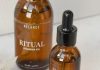






















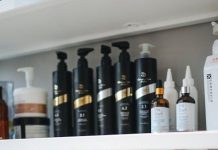



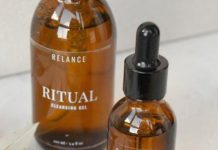



In the ever-evolving world of skincare, where trends come and go like the changing seasons, one timeless elixir has stood the test of time: face oils. These golden drops of nature’s bounty hold the promise of radiant, nourished, and healthy skin. But how do you harness the full potential of these potent potions? Welcome to our guide on “.” Whether you’re a seasoned skincare enthusiast or a curious newcomer, this article will unravel the mysteries of face oils, offering insights and tips to help you achieve that coveted glow. Dive in and discover how to transform your skincare routine with the magic of face oils.
Choosing the Right Face Oil for Your Skin Type
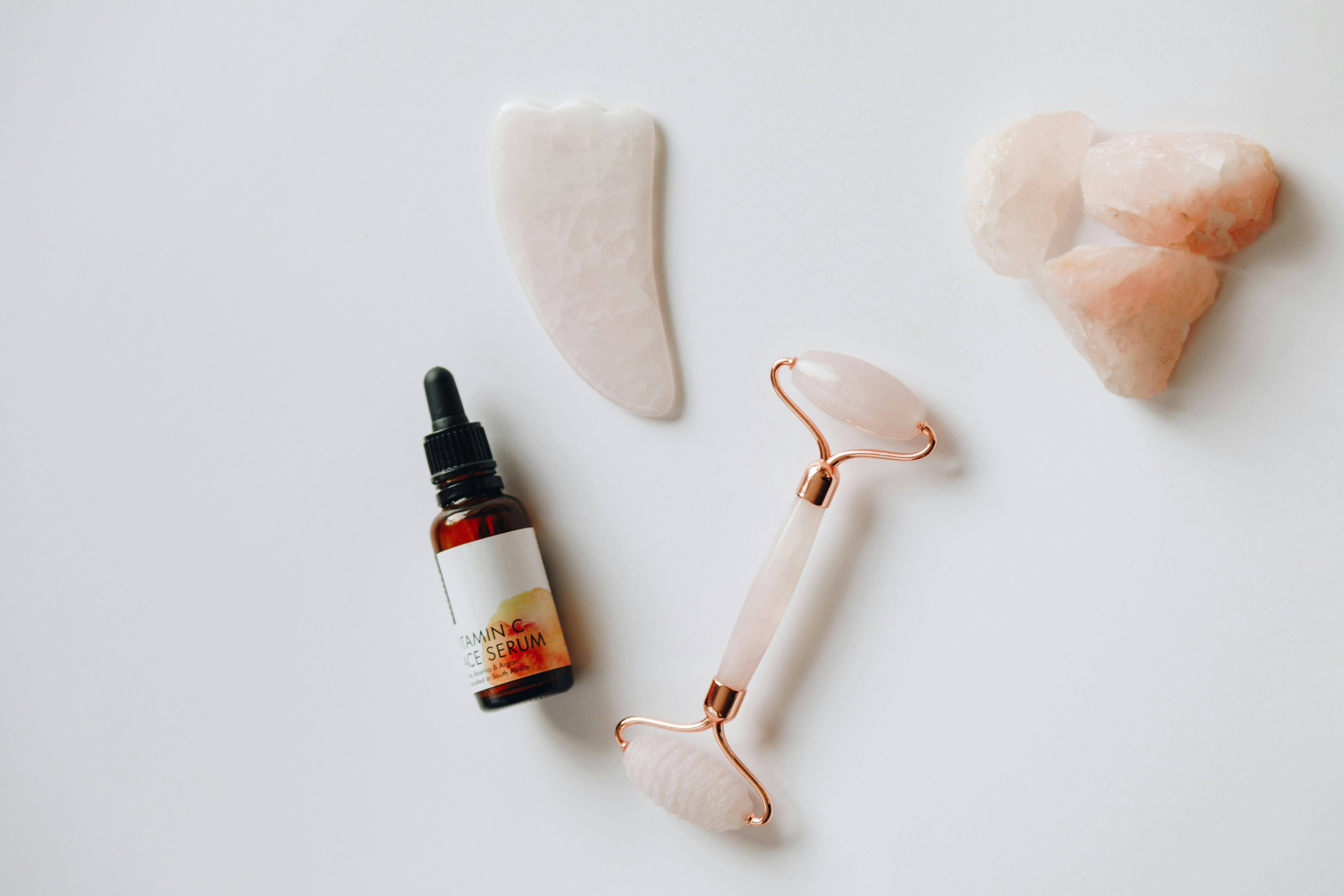
Finding the perfect face oil can be a game-changer for your skincare routine, but it’s essential to select one tailored to your specific skin type. For dry skin, opt for rich, nourishing oils like argan oil or rosehip oil, which provide deep hydration and help to repair the skin barrier. Oily or acne-prone skin can benefit from lighter, non-comedogenic options such as jojoba oil or grapeseed oil, known for balancing sebum production and preventing breakouts.
If you have sensitive skin, consider soothing oils like chamomile oil or calendula oil, which can calm irritation and reduce redness. For mature skin, anti-aging oils like pomegranate seed oil or marula oil are excellent choices, packed with antioxidants that help to improve elasticity and reduce the appearance of fine lines. No matter your skin type, always patch-test new oils to ensure compatibility and avoid potential reactions.
Mastering the Application: Tips for Optimal Absorption

To truly harness the benefits of face oils, it’s essential to master the application process for optimal absorption. Here are some insider tips to ensure your skin drinks up every drop of nourishing goodness:
- Cleanse First: Start with a clean slate. Use a gentle cleanser to remove dirt, makeup, and impurities, allowing the oil to penetrate deeper.
- Warm It Up: Rub a few drops of the oil between your palms to warm it up. This helps to activate the ingredients and makes it easier for your skin to absorb.
- Pat, Don’t Rub: Gently pat the oil onto your face and neck using upward strokes. Rubbing can cause irritation and doesn’t help with absorption.
- Layer Wisely: Apply face oil after your serum but before your moisturizer. This layering ensures that the oil locks in the benefits of your serum and provides an extra layer of hydration.
- Less is More: A few drops are sufficient. Overloading your skin with oil can lead to clogged pores and greasiness.
By following these tips, you can maximize the efficacy of face oils, resulting in a healthier, more radiant complexion.
Combining Face Oils with Your Skincare Routine

Incorporating face oils into your daily regimen can be transformative, providing a wealth of benefits that cater to various skin types. To maximize their potential, consider the following tips:
- Layering Correctly: Apply face oil as the last step of your evening routine to lock in moisture and nutrients from previous products.
- Mixing with Moisturizer: Combine a few drops of face oil with your moisturizer for an extra hydration boost, perfect for combating dryness.
- Targeted Application: Use face oil to target specific areas needing extra care, such as dry patches or fine lines.
- Seasonal Adjustments: Adjust the amount of face oil based on the season; use more during winter for added hydration and less during summer to prevent excess oiliness.
Addressing Common Concerns and Misconceptions
When it comes to incorporating face oils into your skincare routine, it’s natural to have some reservations. Let’s debunk a few myths and set the record straight.
Face oils make your skin oily. Contrary to popular belief, the right oils can actually help balance your skin’s natural oil production. Many people find that their skin becomes less oily over time. Key oils like jojoba and rosehip are known for their ability to regulate sebum production.
Face oils cause breakouts. Not all oils are comedogenic (pore-clogging). Opt for non-comedogenic oils such as argan, marula, and grapeseed, which are less likely to cause breakouts. It’s crucial to understand your skin type and choose oils that suit it.
- Dry skin: Look for nourishing oils like avocado or almond.
- Oily skin: Try lightweight options like grapeseed or jojoba.
- Combination skin: Marula or rosehip can provide balanced hydration.