

In the labyrinth of skincare aisles, where promises of youthful radiance and flawless complexions beckon from every bottle, lies a hidden truth: not all that glitters is gold. Amidst the allure of enticing labels and luxurious packaging, certain ingredients lurk, capable of doing more harm than good to your skin. Navigating this complex world can feel like deciphering a foreign language, but fear not. In this article, we’ll unveil the top ingredients to avoid in your skincare products, empowering you to make informed choices for a healthier, more radiant you. Whether you’re a skincare novice or a seasoned aficionado, join us as we delve into the science and secrets behind what truly belongs on your skin—and what doesn’t.
Understanding Harmful Preservatives: The Hidden Dangers in Your Lotion
When it comes to skincare, it’s crucial to be aware of certain preservatives that can do more harm than good. Parabens, commonly found in lotions and creams, are used to extend shelf life but have been linked to hormonal disruptions. Look out for ingredients like methylparaben, ethylparaben, and butylparaben on labels. Another offender is formaldehyde-releasing agents such as DMDM hydantoin and quaternium-15, which can cause skin irritation and even trigger allergic reactions.
Phthalates are another group of chemicals to avoid, often disguised under the term “fragrance.” These can interfere with endocrine function and have been associated with reproductive issues. Lastly, be cautious of triclosan, an antimicrobial agent that can contribute to antibiotic resistance and negatively impact the thyroid. By being vigilant about these harmful preservatives, you can make more informed choices for your skincare routine.
Synthetic Fragrances: The Allure and Risks of Added Scents
While synthetic fragrances can make skincare products more appealing with their delightful scents, they often come with hidden risks. These added scents, commonly listed as “fragrance” or “parfum” on ingredient labels, are usually concoctions of various chemicals. Some of these chemicals can cause skin irritation, allergic reactions, and even disrupt your hormones.
- Phthalates: Often used to make fragrances last longer, phthalates have been linked to endocrine disruption and reproductive issues.
- Parabens: These preservatives, sometimes included in synthetic fragrances, can mimic estrogen and have been found in breast cancer tissues.
- Formaldehyde-releasing agents: Certain synthetic fragrances release formaldehyde, a known carcinogen, into the product over time.
To minimize risks, opt for products labeled as fragrance-free or those that use natural essential oils for scent. Your skin will thank you!
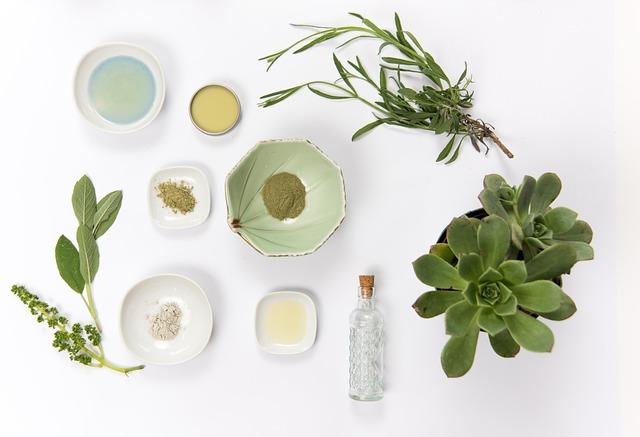
Parabens and Your Skin: Why This Common Ingredient is a Red Flag
Parabens are widely used preservatives in cosmetics and skincare products, designed to prevent the growth of bacteria and mold. However, their safety has come under scrutiny. Studies suggest that parabens can mimic estrogen in the body, potentially disrupting hormone function. This has raised concerns about their possible link to breast cancer and reproductive issues. While the scientific community continues to debate these risks, many consumers are opting for paraben-free alternatives.
- Health Concerns: Potential hormone disruption, links to cancer.
- Environmental Impact: Parabens have been detected in marine life, raising concerns about their ecological effects.
- Label Check: Look for ingredients ending in -paraben, such as methylparaben, propylparaben, and butylparaben.
Choosing skincare products without parabens can be a proactive step towards healthier skin and a more environmentally conscious lifestyle. As awareness grows, many brands are reformulating their products to exclude these controversial ingredients.

Navigating Sulfates: The Balance Between Clean and Over-Clean
Sulfates, such as Sodium Lauryl Sulfate (SLS) and Sodium Laureth Sulfate (SLES), are commonly found in skincare products for their effective cleansing properties. However, they can sometimes strip away natural oils, leading to dryness and irritation. Striking the right balance is essential to maintain healthy skin without overdoing it.
- Sodium Lauryl Sulfate (SLS): Known for its strong cleansing ability, SLS can be too harsh for sensitive skin, causing redness and dryness.
- Sodium Laureth Sulfate (SLES): A milder alternative to SLS, yet it can still cause irritation in some individuals.
To navigate this balance, consider products labeled as “sulfate-free” or those containing gentler surfactants like Cocamidopropyl Betaine or Decyl Glucoside. These alternatives provide effective cleansing without compromising the skin’s natural barrier.


