

In the sun-drenched world of skincare, sunscreen stands as the stalwart guardian against harmful UV rays. Yet, as consumers scan the sunscreen aisle, a question looms large: is SPF 50+ truly a sun-protection savior, or merely an overhyped number in a sea of sunblock options? This article delves into the science and skepticism surrounding SPF ratings, exploring whether higher numbers equate to better protection or simply a marketing mirage. Join us as we uncover the truths and myths behind those little SPF labels, and discover what really matters when shielding your skin from the sun’s relentless embrace.
The Science Behind SPF: Understanding the Numbers
When choosing sunscreen, understanding SPF (Sun Protection Factor) is crucial for making informed decisions. SPF measures how well a sunscreen can protect skin from UVB rays, the primary cause of sunburn. For instance, SPF 30 allows approximately 3% of UVB rays to reach your skin, while SPF 50 permits about 2%. Although this difference seems minor, it can be significant during prolonged sun exposure.
- SPF 15: Blocks about 93% of UVB rays
- SPF 30: Blocks about 97% of UVB rays
- SPF 50: Blocks about 98% of UVB rays
Despite the numbers, it’s essential to recognize that no sunscreen can block 100% of UVB rays. Higher SPF ratings offer slightly more protection, but often, proper application and reapplication are more critical than the SPF number itself. Therefore, while SPF 50+ provides marginally better coverage, it is not a magic bullet. Understanding this can help you choose the right sunscreen based on your specific needs and lifestyle.
Comparing Protection Levels: SPF 50+ vs Lower Ratings
When considering sunscreen options, it’s essential to understand the nuances between SPF 50+ and lower SPF ratings. The SPF, or Sun Protection Factor, measures how well a sunscreen protects against UVB rays, the primary cause of sunburn. While SPF 50+ might seem like a powerhouse, offering more than 98% protection, it’s important to note that SPF 30 already provides 97% coverage. The difference, though marginal, can be crucial for those with fair skin or sensitivity to sunlight.
- SPF 50+: Offers slightly more protection, making it ideal for prolonged outdoor activities or sensitive skin.
- SPF 30: Provides substantial protection for everyday use, balancing efficacy with cost-effectiveness.
- Lower SPFs: Suitable for shorter sun exposure or when seeking a lighter formulation.
Ultimately, the choice hinges on your lifestyle and skin type. While higher SPF ratings can offer peace of mind, it’s crucial to apply sunscreen generously and reapply every two hours for optimal protection.
The Role of Application: Making the Most of Your Sunscreen
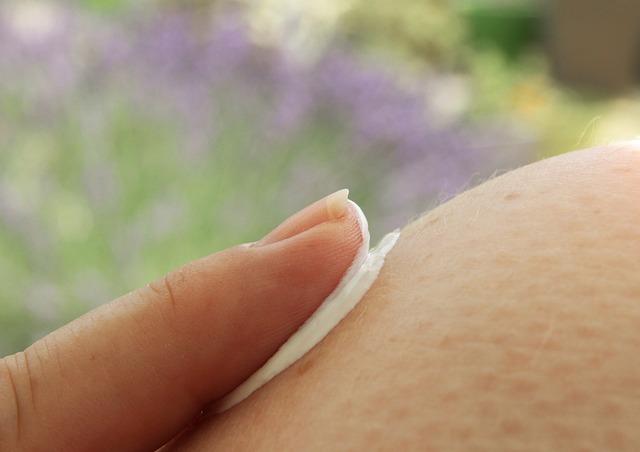
Proper application is crucial for maximizing the effectiveness of any sunscreen, regardless of its SPF rating. To ensure optimal protection, apply sunscreen generously at least 15 minutes before sun exposure. It’s easy to underestimate how much you need, so remember that an average adult should use about one ounce (a shot glass full) to cover the entire body.
- Reapply: Every two hours, or more often if swimming or sweating.
- Don’t forget: Areas like ears, neck, and tops of feet.
- Layer wisely: Sunscreen should be the last step in your skincare routine.
Even with high SPF products, the effectiveness significantly drops if not applied correctly. Consistency is key, and understanding these application tips ensures that your chosen SPF, whether 30 or 50+, delivers the protection it promises.
Expert Recommendations: Choosing the Right SPF for Your Needs
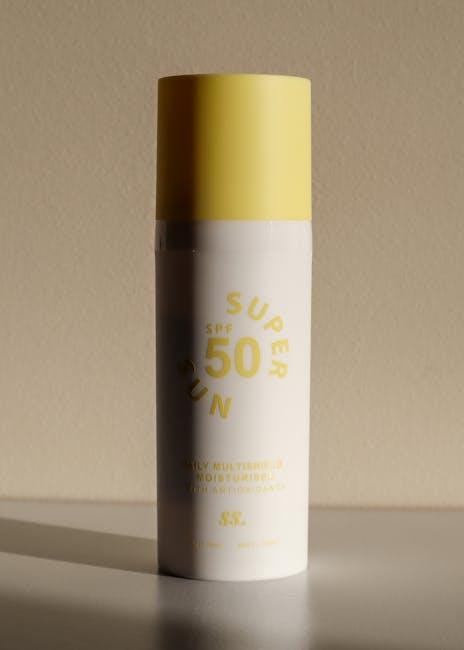
When selecting the ideal sunscreen, understanding the nuances between different SPF ratings can be crucial. Dermatologists often recommend considering several factors beyond just the number on the bottle:
- Skin Type: Those with fair or sensitive skin may benefit from higher SPF levels, while others might find lower SPF sufficient.
- Activity Level: If you plan to be outdoors for extended periods or engaging in water sports, a water-resistant, broad-spectrum SPF 50+ might be more effective.
- Frequency of Application: Regardless of SPF, reapplication every two hours is key, especially after swimming or sweating.
- Environmental Factors: High altitudes or reflective surfaces like snow and water increase UV exposure, warranting higher SPF protection.
Ultimately, the right choice hinges on your unique lifestyle and needs. Consulting a skincare professional can provide personalized guidance to ensure you’re adequately protected without falling for marketing gimmicks.


