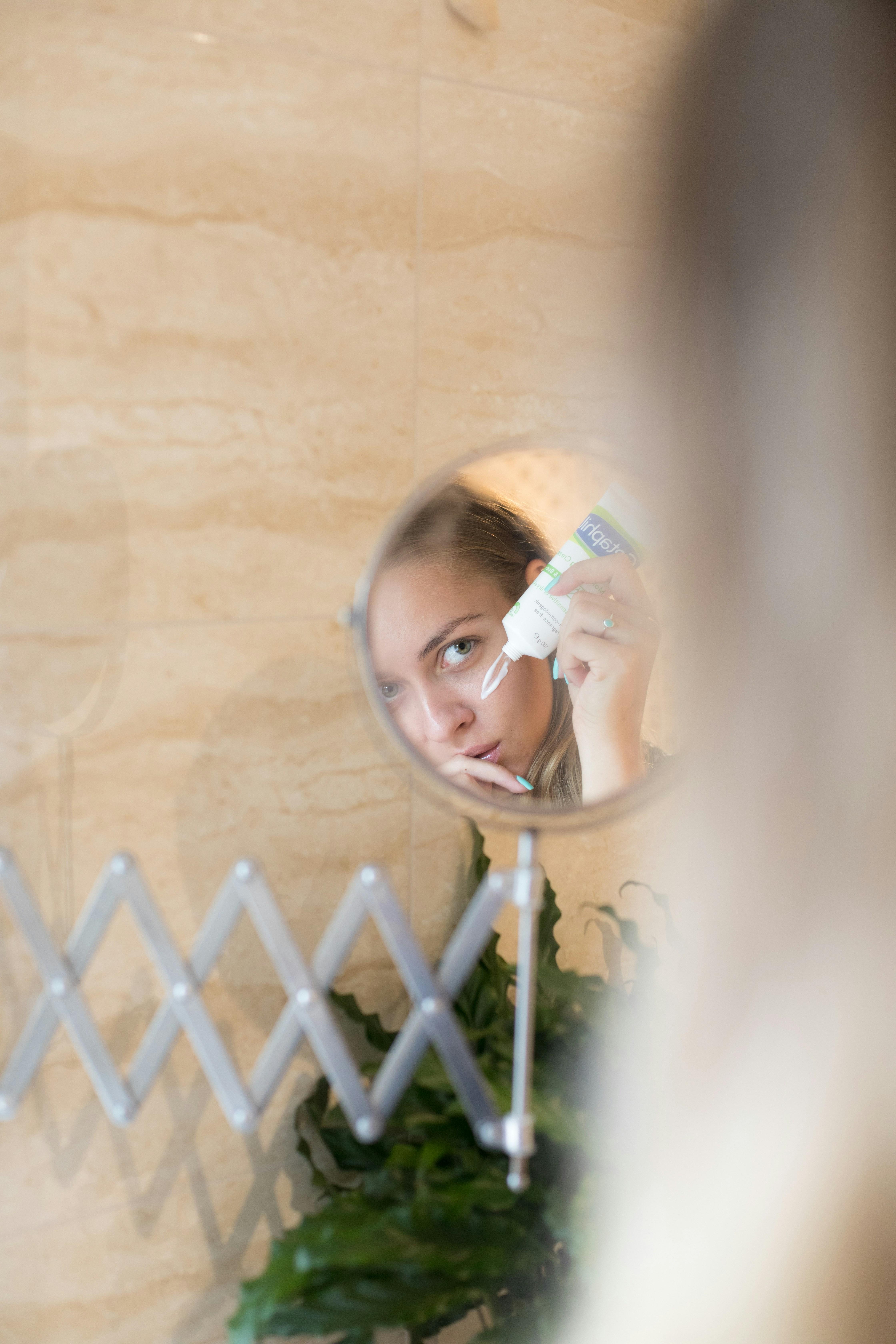
In the ever-evolving world of skincare, few ingredients have garnered as much reverence—and apprehension—as retinol. Lauded for its remarkable ability to rejuvenate and renew, this potent derivative of vitamin A promises smoother, more radiant skin. Yet, its power often comes with a side of caution, as improper use can lead to irritation, redness, and peeling. Navigating the fine line between transformation and turmoil can feel daunting, but it doesn’t have to be. Welcome to our guide on how to incorporate retinol into your routine without irritation, where we unravel the secrets to harnessing this skincare superstar’s full potential while keeping your complexion calm and collected. Whether you’re a retinol rookie or a seasoned pro seeking smoother sailing, we’ve got the insights to help you glow with confidence.
Understanding Retinol: Benefits and Potential Side Effects
Retinol, a derivative of Vitamin A, is celebrated for its anti-aging and skin-renewing properties. When integrated properly into your skincare routine, it can help diminish fine lines, improve skin texture, and promote an even skin tone. The benefits of retinol include:
- Collagen production: Encourages the skin to produce more collagen, leading to firmer, more youthful-looking skin.
- Cell turnover: Accelerates the shedding of old skin cells and promotes the growth of new ones, reducing the appearance of wrinkles and blemishes.
- Brightening: Helps fade dark spots and hyperpigmentation, revealing a more radiant complexion.
However, retinol is not without its potential side effects, particularly if used incorrectly or too frequently. Common side effects include:
- Dryness: Overuse can lead to excessive dryness and flakiness, making it crucial to pair retinol with a good moisturizer.
- Redness and irritation: Especially in those with sensitive skin, retinol can cause redness, itching, and a burning sensation.
- Sun sensitivity: Retinol can make your skin more sensitive to the sun, increasing the risk of sunburn and damage.
Choosing the Right Retinol Product for Your Skin Type
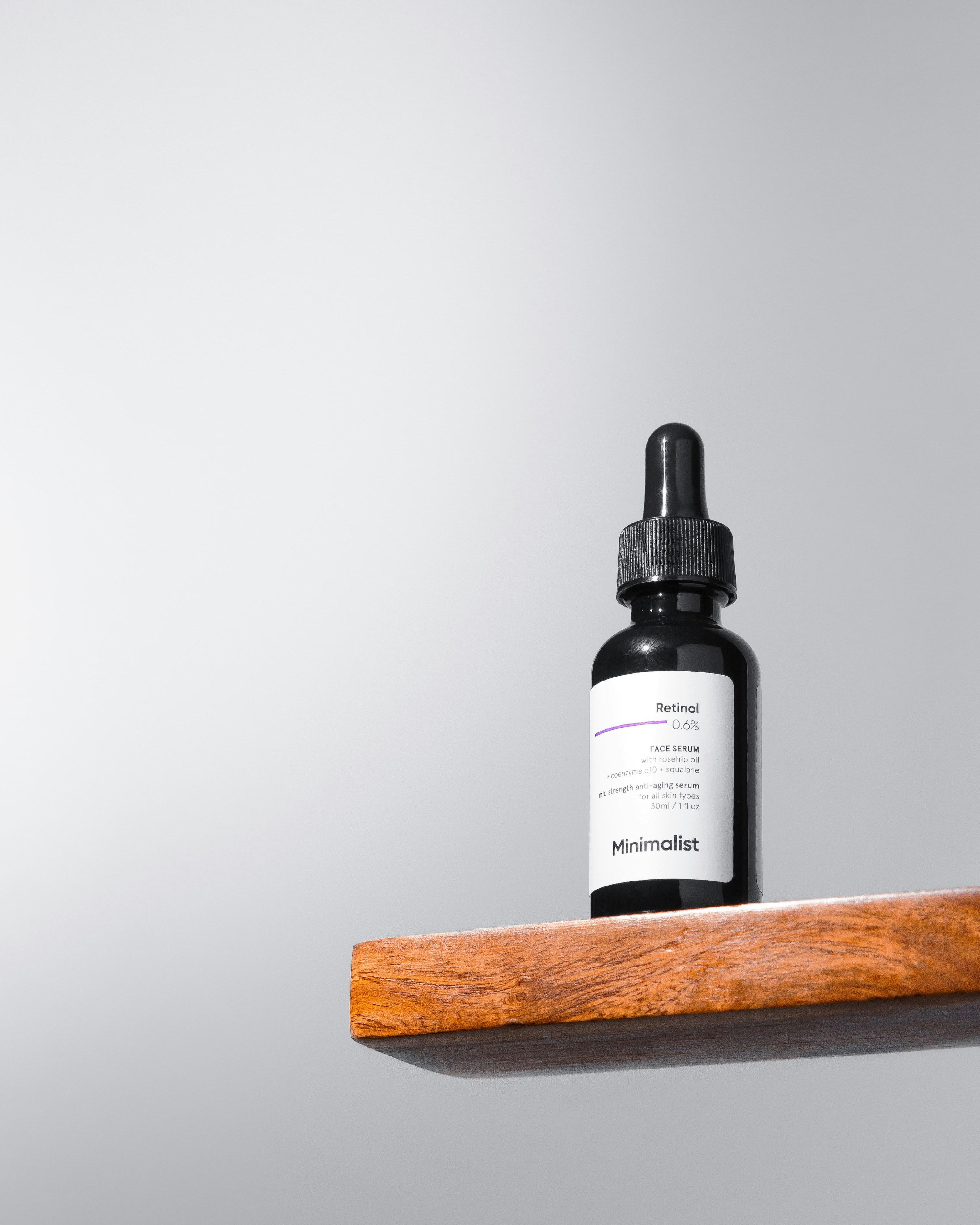
When it comes to integrating retinol into your skincare routine, selecting a product that aligns with your skin type is crucial. For those with dry or sensitive skin, opting for a lower concentration of retinol, typically around 0.25% to 0.5%, can help minimize irritation. Look for formulations that also contain soothing ingredients like hyaluronic acid, ceramides, or aloe vera.
- Oily or acne-prone skin: Higher concentrations of retinol (0.5% to 1%) can be more effective. Products that are oil-free and non-comedogenic are ideal.
- Combination skin: A balanced approach is key. Consider using a moderate concentration and pairing it with a hydrating moisturizer to target dry areas.
- Normal skin: You have the flexibility to experiment with different strengths, but starting with a moderate concentration is always wise.
Building a Gradual Introduction: Dosage and Frequency
When it comes to easing retinol into your skincare regimen, the mantra “slow and steady” couldn’t be more appropriate. Start with a low concentration product, ideally between 0.25% and 0.5%, to minimize the risk of irritation. Apply it just twice a week initially, allowing your skin ample time to adjust. Gradually increase the frequency over a few weeks, working your way up to every other night, and finally to nightly use as your skin builds tolerance.
Here are some key pointers to keep in mind:
- Patch Test: Before full application, test a small amount on a discreet area to ensure compatibility.
- Evening Routine: Incorporate retinol in your nighttime skincare routine, as sunlight can degrade its efficacy.
- Hydration is Key: Follow up with a moisturizer to counteract any potential dryness or flakiness.
- Monitor Skin Response: Pay attention to how your skin reacts, and adjust the frequency if you notice excessive redness or peeling.
Complementary Skincare: Pairing Retinol with Other Products
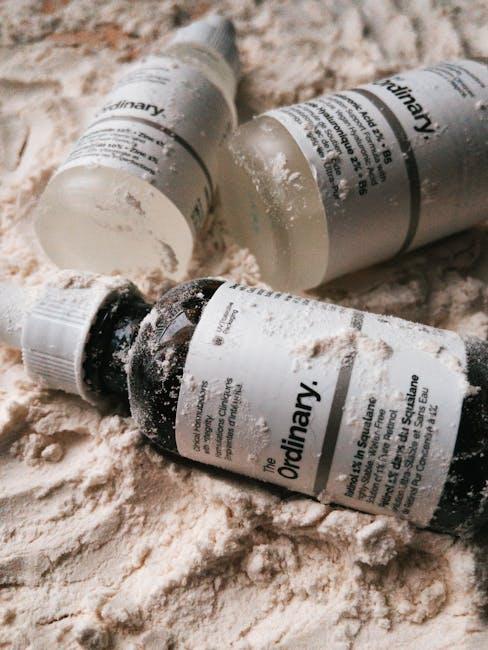
Pairing retinol with the right products can amplify its benefits while minimizing potential irritation. Here are some stellar combinations to consider:
- Hyaluronic Acid: This hydrating powerhouse can help counteract the drying effects of retinol, providing a moisture boost that keeps your skin plump and supple.
- Niacinamide: Known for its anti-inflammatory properties, niacinamide can soothe irritation and redness, making it a perfect companion to retinol’s potent effects.
- Ceramides: Strengthen your skin’s barrier with ceramides, which help retain moisture and protect against environmental aggressors, reducing the likelihood of retinol-induced sensitivity.
Remember to introduce these pairings gradually, observing how your skin responds. This method allows you to harness the full potential of retinol without overwhelming your skin.