

In the quiet moments of dawn, when the world is still cloaked in the soft hues of morning, many of us confront a reflection that tells a story of hormonal turmoil. Hormonal acne, a relentless adversary, often appears uninvited, disrupting the harmony of our skin and confidence alike. But fear not, for in the labyrinth of skincare lies a path to clarity and peace. This article will be your guide through the maze, offering practical, evidence-based tips to reclaim your complexion. Whether you’re a seasoned skincare enthusiast or just beginning your journey, join us as we delve into the art and science of managing hormonal acne, and discover solutions that truly work.
Understanding Hormonal Acne: Causes and Symptoms
Hormonal acne is a persistent skin condition primarily driven by fluctuations in hormones, particularly androgens. These fluctuations can lead to an overproduction of sebum, clogging pores and creating an environment where bacteria can thrive. Common triggers include:
- Menstrual Cycle: Hormone levels fluctuate throughout the cycle, often leading to breakouts around the jawline and chin.
- Polycystic Ovary Syndrome (PCOS): This condition can cause a significant imbalance in hormones, contributing to acne.
- Stress: Elevated stress levels can increase cortisol, which in turn can affect other hormone levels and exacerbate acne.
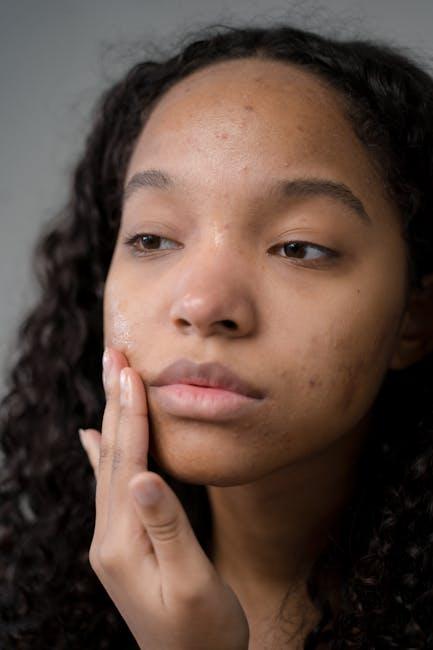
Symptoms of hormonal acne typically include painful cysts and nodules under the skin, predominantly appearing on the lower half of the face. These blemishes can be deep and slow to heal, often leaving behind marks or scars.
Effective Skincare Ingredients: What to Look For
When managing hormonal acne, incorporating the right ingredients into your skincare routine can make a world of difference. Here are some effective ingredients to keep an eye out for:
- Salicylic Acid: This beta hydroxy acid (BHA) is oil-soluble, making it perfect for penetrating clogged pores and reducing inflammation. Regular use can help keep acne at bay.
- Niacinamide: Known for its anti-inflammatory properties, niacinamide can help soothe irritated skin and reduce redness. It also strengthens the skin barrier, which is crucial for maintaining healthy skin.
- Retinoids: These Vitamin A derivatives promote cell turnover, helping to prevent clogged pores and reducing the appearance of acne scars. They can be potent, so it’s best to start with a lower concentration.
- Tea Tree Oil: A natural antiseptic, tea tree oil can help kill acne-causing bacteria and reduce inflammation. Look for products that contain this ingredient in a diluted form to avoid skin irritation.
- Zinc: This mineral can help regulate oil production and reduce inflammation. Topical zinc treatments or supplements can be beneficial for those struggling with hormonal breakouts.
Incorporating these ingredients into your skincare routine can provide a targeted approach to tackling hormonal acne, helping you achieve clearer, healthier skin.
Daily Routine: Building a Skincare Regimen That Works
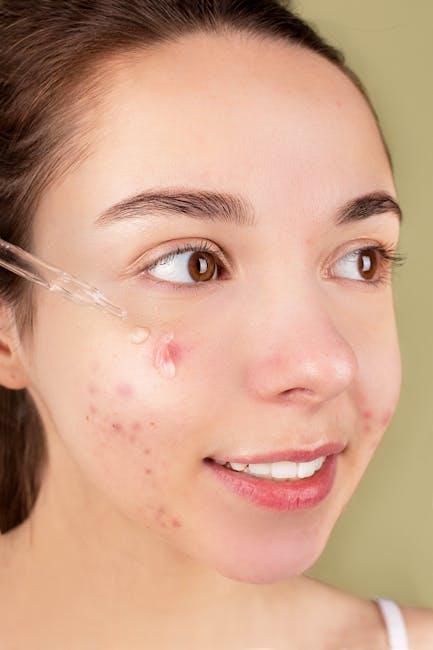
Creating an effective skincare routine for hormonal acne involves a few key steps. Start with a gentle cleanser to remove impurities without stripping your skin’s natural oils. Follow this with a toner that contains salicylic acid or witch hazel to help unclog pores and reduce inflammation. Hydration is crucial, so opt for a lightweight, non-comedogenic moisturizer to keep your skin balanced.
- Cleansing: Use a sulfate-free cleanser twice a day.
- Toning: Apply a toner with active ingredients like salicylic acid.
- Moisturizing: Choose a hydrating, non-comedogenic moisturizer.
- Spot Treatment: Apply benzoyl peroxide or tea tree oil to active breakouts.
Incorporating these steps into your daily regimen can help manage hormonal acne effectively. Remember to be consistent and patient, as results may take time to appear. Additionally, always use sunscreen during the day to protect your skin from UV damage, which can exacerbate acne and cause hyperpigmentation.
Lifestyle Changes: Supporting Your Skin from Within
Addressing hormonal acne isn’t just about what you put on your skin—it’s also about what you put into your body. Making lifestyle changes can have a profound impact on your skin’s health and appearance. Here are some key areas to focus on:
- Diet: Incorporate more whole foods like fruits, vegetables, and lean proteins. Avoid high-glycemic foods that can spike your blood sugar and trigger hormonal imbalances.
- Hydration: Drink plenty of water throughout the day to help flush out toxins and keep your skin hydrated from within.
- Stress Management: Practices like yoga, meditation, and regular exercise can help balance your hormones by reducing stress levels.
- Sleep: Aim for 7-9 hours of quality sleep each night to allow your body to repair and regenerate, which includes your skin.
These changes can support your skin’s health from the inside out, complementing your external skincare routine and helping you achieve clearer, more balanced skin.


