

In the world of skincare, few ingredients are as revered—and as debated—as retinol. Touted as a miracle worker for everything from fine lines to acne, this vitamin A derivative is a staple in countless beauty routines. But for those with sensitive skin, the promise of retinol often comes with a side of apprehension. Can this potent ingredient coexist peacefully with delicate complexions, or is it destined to cause more harm than good? In this exploration, we delve into the safety of retinol for sensitive skin types, unraveling the myths and truths behind its powerful allure.
Understanding Retinol: Benefits and Challenges for Sensitive Skin
Retinol, a derivative of Vitamin A, is celebrated for its ability to enhance skin texture and promote a youthful appearance. For those with sensitive skin, the benefits are enticing yet accompanied by certain challenges. Benefits of retinol include:
- Improving skin tone: Retinol aids in evening out skin tone and reducing discoloration.
- Boosting collagen production: It stimulates collagen, which can reduce fine lines and wrinkles.
- Encouraging cell turnover: This process helps to keep the skin smooth and rejuvenated.
However, individuals with sensitive skin may encounter some challenges when incorporating retinol into their routine:
- Irritation: Retinol can cause redness, dryness, or peeling, especially in sensitive skin types.
- Sun sensitivity: It increases the skin’s sensitivity to UV rays, necessitating diligent sunscreen use.
To mitigate these challenges, consider starting with a lower concentration, using it sparingly, and pairing it with a soothing moisturizer. Always patch-test new products and consult a dermatologist if concerns arise.

Navigating the Side Effects: What to Expect and How to Manage
Introducing retinol into your skincare routine can be a transformative experience, but it often comes with a few side effects, especially for those with sensitive skin. Dryness, peeling, and redness are common as your skin adjusts to this powerful ingredient. It’s essential to start slowly, perhaps using it every other night, to allow your skin to build tolerance.
Here are some tips to manage these side effects effectively:
- Moisturize generously: Use a rich, hydrating moisturizer to combat dryness.
- Consider buffering: Apply your moisturizer before retinol to create a protective barrier.
- Sun protection is key: Retinol can increase sun sensitivity, so daily sunscreen is a must.
- Listen to your skin: If irritation persists, reduce frequency or consult a dermatologist.
With patience and the right approach, you can enjoy the benefits of retinol without compromising your skin’s comfort.

Choosing the Right Retinol: Tailored Products for Sensitive Skin
For those with sensitive skin, selecting the right retinol can feel like navigating a skincare minefield. The key is to look for products specifically formulated to minimize irritation. Low-concentration retinols are a great starting point. These formulations deliver the benefits of retinol while reducing the risk of redness or peeling. Often, they are combined with soothing ingredients like aloe vera or chamomile to further calm the skin.
- Retinol Esters: Gentler than traditional retinoids, these are ideal for sensitive skin.
- Encapsulated Retinol: Offers a slow-release mechanism, reducing potential irritation.
- Buffered Retinol: Blended with moisturizers to mitigate harsh effects.
Incorporating fragrance-free and hypoallergenic options into your routine can also make a significant difference. These specially crafted products ensure that even the most delicate skin can reap the rewards of retinol without compromise.
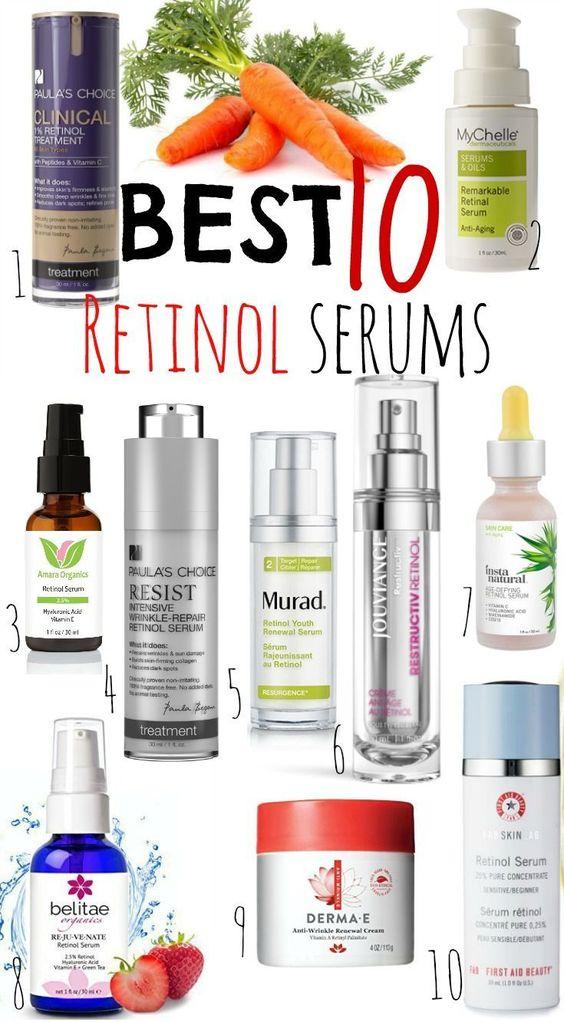
Expert Tips: Incorporating Retinol Safely into Your Skincare Routine
- Start Slowly: For sensitive skin, it’s crucial to begin with a low concentration of retinol, such as 0.25% or 0.5%. Introduce it gradually into your routine, using it once or twice a week and slowly increasing frequency as your skin builds tolerance.
- Moisturize Generously: Retinol can be drying, especially for delicate skin. Pair it with a rich, hydrating moisturizer to lock in moisture and create a barrier that reduces irritation.
- Use Sunscreen: Retinol can increase sun sensitivity, making sunscreen a non-negotiable part of your morning routine. Opt for a broad-spectrum SPF 30 or higher to protect your skin from UV damage.
- Avoid Mixing Actives: Steer clear of using other potent actives like AHAs, BHAs, or vitamin C in the same routine as retinol. This can prevent overwhelming your skin and reduce the risk of irritation.
- Listen to Your Skin: Pay attention to how your skin reacts. If you notice excessive redness or peeling, scale back usage or consult with a dermatologist to adjust your regimen.
Remember, patience is key. Incorporating retinol safely takes time, but the rewards—smoother, more radiant skin—are worth the careful approach. Always prioritize your skin’s comfort and health over rapid results.


